The University of Western Australia
School of Computer Science and Software Engineering


School of Computer Science and Software Engineering

Outreach Program

Further information

Contact

If you or your students have any questions please email the School Manager, or telephone (+61 8) 6488 2281.

The Aibo robot dog interactive session

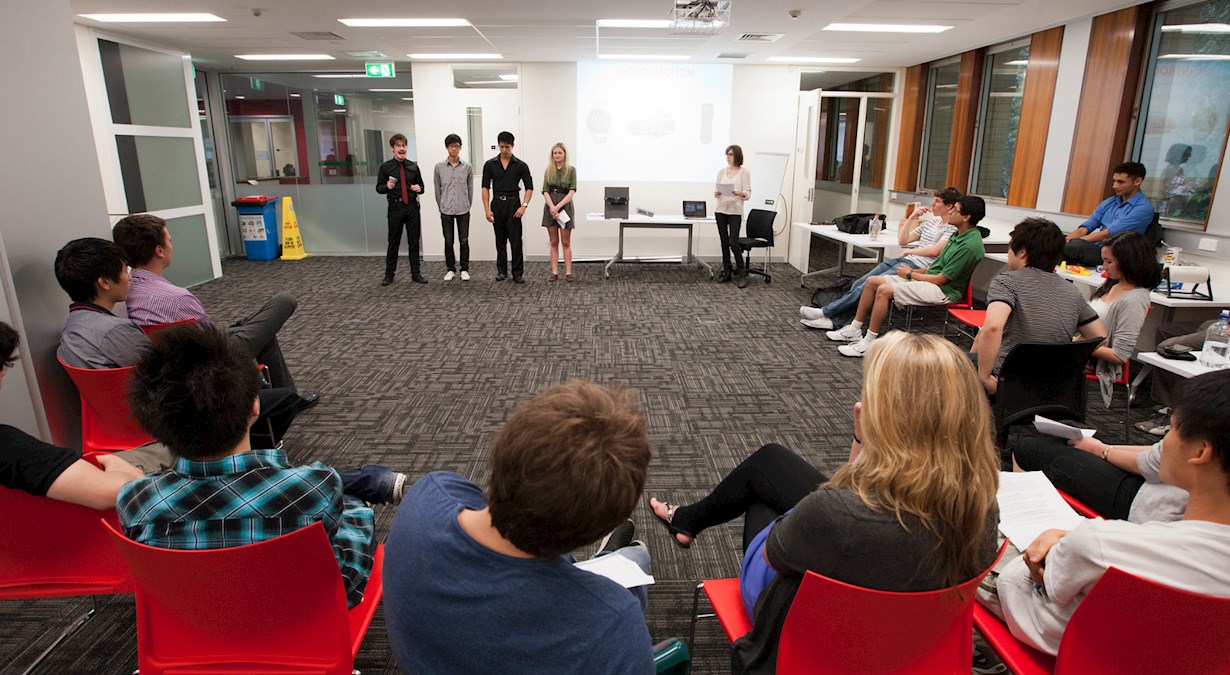
Our Awesome Animations and Animatronics Outreach Program allows high school students to experience university life and learn about advances in the information technology area.

At the cutting edge of computer science and software engineering, our researchers and postgraduate students will be able to introduce the myriad of applications and relevant industries, including robotics, avian-flu and bushfire spread, and 3D modelling.

Presentations can be tailored to suit your needs, and we can accommodate groups of up to 40 students for one-hour or two-hour visits, including a UWA tour.

Our preferred time is on any Friday afternoon but we are can accommodate other times if more suitable for you.

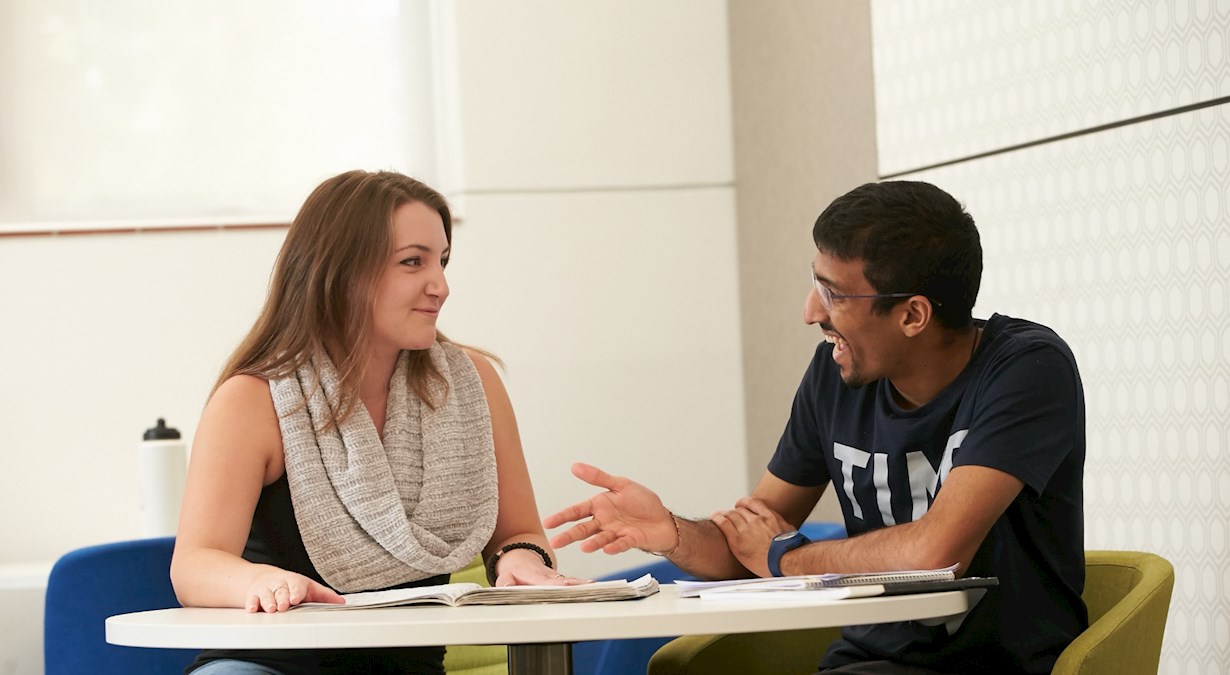
Visiting the School of Computer Science and Software Engineering at UWA can be a great benefit to students who are considering university study, and the interaction with our staff and students is often a motivator for students from Years 9 through 12.

If visits to UWA do not fit your schedule, we would be happy to come to your school and speak to your student groups. Our AIBO robot dog will feature as part of the presentation.

Current topics

Navigation by WiFi

This module highlights the growing use of mobile devices and wireless networking by enabling students, working in small teams, to map a WiFi-equipped region (part of the UWA campus) using handheld devices (Apple iPods) and a physical map.  Teams will then transfer their observations to desktop laboratory computers for simple display and analysis.

Drawing a building in 3D for Google Earth

An interactive four day course for year 10-11 students showing how easy it is to create 3D models of a house or other buildings using free tools and import them onto Google Earth. Students work in groups and follow each step with their own models.

Printing your own 3D objects

Students are instructed on creating their own 3D models in a form that is suitable for 3D printing; they will then model their own objects of choice.  Upon completion of the model, it will be printed on the School’s 3D printer and presented to the student. 

Xbox Game Development 101

Expose your students to the amazing world of programming with this guided tour through the code of an actual Xbox game.  Progressing through the module, students will be introduced to basic programming concepts and the general thought processes of a developer while getting excited about programming by seeing their changes incorporated into a running, playable game.

Connecting the Real World with the Virtual World

The Sony AIBO robot is an excellent robotic platform to excite young mind. The robot has three senses: vision, hearing and touch.  The AIBO is an effective platform for teaching programming. We introduce the core functionalities and the basic Artificial Intelligence principles that enabled this life-like robot to come to life.

Introduction to Programming using Alice

Alice is a 3D virtual programming environment developed by researchers from Carnegie Mellon University. It has a large collection of 3D scenes and objects where students can write simple program to control their movements and interactions. Supporting simple drag and drop actions, students are freed from the strict programming syntax and can focus more on logical thinking and story telling.  Students are expected to think of a story line beforehand and will take home an exported video clip from Alice.

Interactive Lego Zoo

Students and staff will show how computer software can be used to create individual Lego robot ‘animals’.  You will have the opportunity to do some computer programming of your own and also to explore the behaviour of the animals built by our talented first year Software Engineering students.

The third dimension: letting faces come out of the computer screen

This module examines techniques used by modern computers to generate, process and display three dimensional objects. It examines the use of laser scanners for constructing three dimensional models of real world objects. We also look at how (new) innovations from Computer Science and Software Engineering allow us to use these scans to improve face recognition technology. Finally we look at ways we can interact with the three dimensional models, including a demonstration of how we can construct "magic eye" pictures that can literally come out of the screen.


School of Computer Science and Software Engineering

This Page

Last updated:
Wednesday, 14 October, 2009 1:45 PM

Website Feedback:
narelle.molloy@uwa.edu.au

http://web.csse.uwa.edu.au/405675